Categories
Getting Started in Real EstatePublished October 21, 2025
FHA Loans Explained: Buy with as Little as 3.5% Down

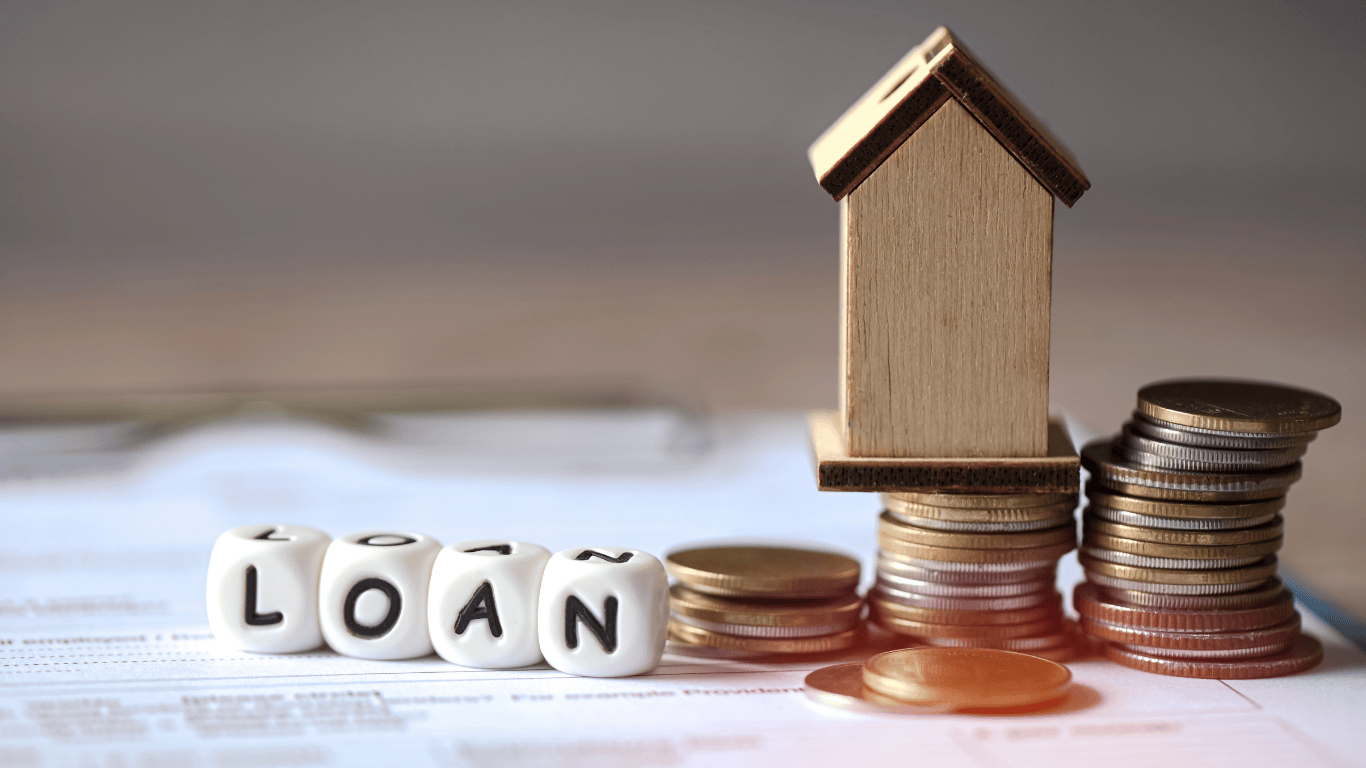
One of the most powerful financing tools for first-time and moderate-income homebuyers is the FHA loan. Backed by the U.S. Federal Housing Administration, FHA loans allow you to purchase 1–4 unit properties with as little as 3.5% down, making homeownership more accessible. In this post, we’ll explain how FHA loans work, the criteria, costs, advantages and disadvantages, and how this applies in markets like Studio City, Toluca Lake, Sherman Oaks, Burbank, and Valley Village.
How FHA Loans Work
- FHA does not lend money directly; instead, it insures mortgages made by private lenders, reducing risk for lenders and enabling more flexible terms. (hud.gov)
- Because the lender is protected by FHA insurance, they may accept lower down payments and lower credit thresholds than conventional loans.
- FHA loans cover 1–4 unit properties (so duplexes, triplexes, and fourplexes are eligible) as long as one unit is owner-occupied. (hud.gov)
- The “3.5% down” option is available when your credit score is 580 or higher. If your credit is between 500 and 579, the down payment requirement typically increases to 10%. (fha.com)
FHA Loan Requirements & Criteria
To qualify for an FHA loan, these are the main criteria lenders will look at:
- Credit Score: Minimum credit score of 580 for the 3.5% down option. Scores between 500 and 579 require higher down payment (10%). (fha.com)
- Debt-to-Income Ratio (DTI): Generally, lenders prefer a DTI below ~43% (front-end and back-end) though in some cases FHA allows higher ratios under compensating factors. (fha.com)
- Proof of Income / Employment History: Steady income and employment documentation are required.
- Occupancy: You must occupy one of the units as your primary residence (owner-occupant).
- Property Standards and Appraisal: The home must meet FHA’s safety, habitability, and structural standards.
- Mortgage Insurance Premiums (MIP): FHA requires both an upfront mortgage insurance premium (UFMIP) and ongoing annual (monthly) MIP payments. (fha.com)
- Loan Limits: FHA sets maximum loan amounts by county. In high-cost areas, the limits are higher. (fha.com)
- Self Sufficient Test: For triplexes and fourplexes, the property should also meet the self-sufficient test. For a property to qualify under the Self-Sufficiency Rule, the Qualifying Rent (75% of Total Rent Potential) must be equal to or greater than the Monthly Mortgage Payment.
Cost Structure: What You Pay Upfront & Monthly
When you use an FHA loan, your costs include:
- Down Payment: Minimum 3.5% of purchase price (for credit score ≥580). (fha.com)
- Upfront Mortgage Insurance Premium (UFMIP): Usually 1.75% of the base loan amount, often rolled into the loan. (Wikipedia)
- Monthly Mortgage Insurance (MIP): Added to your monthly payment; its rate depends on loan amount, term, and loan-to-value ratio. (fha.com)
- Interest Rate & Principal: Like other mortgages, your payment includes interest and principal.
- Property Taxes, Homeowners Insurance, HOA Fees, Maintenance: These are in addition and often escrowed.
Because you have to carry mortgage insurance for the life of the loan (if down payment is low), FHA can be more expensive in the long run compared to conventional loans if you have stronger credit and larger down payment.
Advantages & Disadvantages of FHA Loans
Advantages
- Allows homeownership with low down payment (3.5%)
- More lenient credit score requirements than many conventional loans
- Permits use of gift funds for down payment (with proper documentation)
- May allow less stringent debt history if compensating factors exist
Disadvantages
- Mortgage insurance is required for the life of the loan if your down payment is less than 10%
- The upfront mortgage insurance adds to your cost
- The property must meet FHA’s strict property standards, which can increase repair costs before closing
- You must occupy one unit, so it is not purely an investment purchase
- Higher interest rates sometimes compared to the best conventional loans
FHA Loans in Los Angeles & Neighborhood Context
In high-cost markets like Los Angeles, especially around Studio City, Toluca Lake, Sherman Oaks, Burbank, and Valley Village, FHA loans can be a strategic option for new buyers wanting to enter the market.
- In California, FHA loans still allow the 3.5% minimum down payment when buyers have credit scores of 580 or higher. (newamericanfunding.com)
- Because home prices are often high, the required actual dollar amount for 3.5% can still be large. For example, if you’re buying a property for $800,000, a 3.5% down payment is $28,000.
- In many LA counties, FHA loan limits are adjusted upward to accommodate the higher market values. You’ll need to check the limit for the specific county (e.g., Los Angeles County). (Griffin Funding)
- The benefit is that you can get into a property in these neighborhoods where rental demand is strong, and begin building equity while leveraging manageable upfront costs.
- Because these neighborhoods have competitive housing markets, working with a realtor who understands FHA-eligible properties is key—some homes may not qualify due to the FHA condition requirements.
Steps to Apply for an FHA Loan
- Check your credit score and credit report. If below 580, consider repairing and raising it first.
- Get pre-approved with FHA-enabled lenders. Not all lenders offer FHA programs.
- Find a home that meets FHA property guidelines.
- Negotiate contingencies to allow for inspections and repairs.
- Submit documentation: income, tax returns, employment history, bank statements, etc.
- Appraisal & inspection: FHA will inspect for safety, health, structural integrity.
- Closing: pay down payment, closing costs, and start your mortgage + insurance payments.
Want to Learn More or Get Personalized Guidance?
If you’re serious about learning more about funding or real estate opportunities in Los Angeles, email us at vinay@chinnirealty.com or call/text (323) 996-3746 to schedule a conversation.
Recommended Reads
To deepen your understanding of real estate valuation and financing, explore these related guides on our site:
- Beginner’s Guide: Choosing Between Residential, Multifamily, Commercial, and Airbnb Investments
- House Hacking 101: Living in One Unit and Renting the Others to Offset Your Mortgage
- Why Starting with a 2–4 Unit Property Can Set You Up for Long-Term Success
Connect with us!
Follow Chinni Realty Group for real estate insights, local market updates, and homeownership tips.
Instagram ⎟ Facebook ⎟ LinkedIn ⎟ YouTube

Vinay Chinni
Realtor | DRE #02108108 | Chinni Realty
or another way