Categories
Getting Started in Real EstatePublished October 21, 2025
SBA Loans for Entrepreneurs: How to Buy Commercial Property for Your Business with 10–15% Down

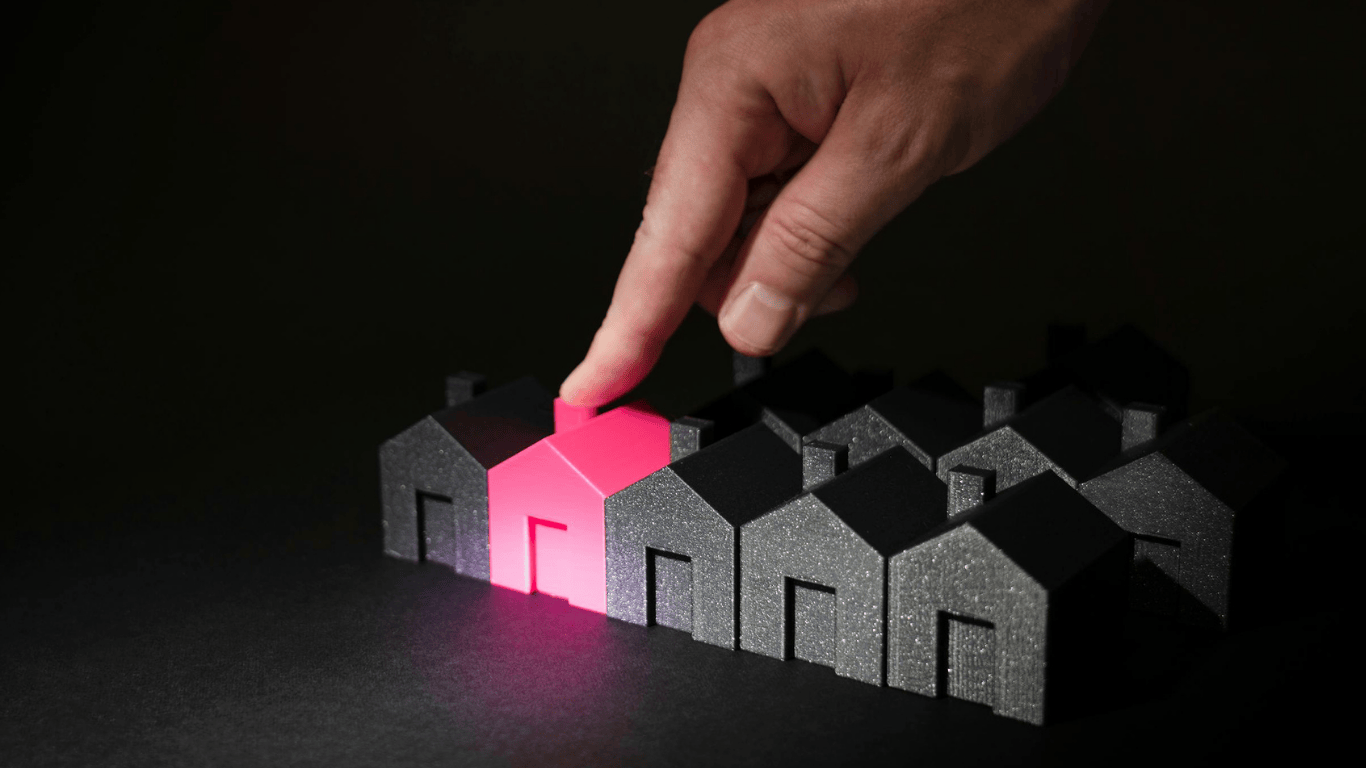
Purchasing commercial property as a business owner can be a powerful way to stabilize costs, build equity, and control your workspace. But traditional commercial loans often require large down payments (20–25% or more). An alternative many entrepreneurs overlook is SBA-backed financing, which enables you to acquire commercial real estate with as little as 10–15% down, under certain conditions.
Which SBA Program Works for Buying Commercial Property?
There are two SBA programs often used for real estate acquisitions: SBA 7(a) and SBA 504. Both have different mechanics and purposes.
SBA 7(a) Loans
-
More flexible in purpose; can be used for owner-occupied commercial real estate, acquisition, or refinancing. (Commercial Real Estate Loans)
-
Terms can be up to 25 years when used for real estate. (wellsfargo.com)
-
Down payment requirements vary; often 10% is customary when the loan is used for real estate in many cases. (Commercial Real Estate Loans)
-
Useful when you want flexibility (e.g. part of the funds going to improvements, working capital).
SBA 504 Loans
This is more specialized for fixed-asset acquisition like real estate and equipment.
-
The standard structure is: a bank (or private lender) provides ~50% of project cost, the Certified Development Company (CDC) provides ~40%, and the borrower provides ~10% equity. (Commercial Real Estate Loans)
-
In some cases (e.g. start-up business or special-use property), equity requirement increases to 15% rather than 10%. (Growth Corp)
-
If constructing new facilities, occupancy requirements tend to be stricter (e.g., the business must occupy a larger portion of the building). (ffcfc.com)
-
The business must be owner-occupied (use the property for its operations). For existing buildings, usually at least 51% must be occupied (for new construction, often 60%). (ffcfc.com)
-
Loan terms are generally long, fixed-rate, amortizing, often 10, 20, or 25 years. (Investopedia)
-
Many “soft costs” (appraisals, environmental, closing fees) may be included in the financed amount. (CDC Small Business)
Which one to choose?
-
If your goal is strictly acquiring or improving a building your business will occupy, 504 is often more favorable in interest rate and structure.
-
If you want more flexibility (combined use, working capital, refinancing), 7(a) may be more appropriate.
Eligibility, Terms, and Requirements
Eligibility and Size Limits
-
Business must be for-profit and meet SBA size standards (industry-based). (ffcfc.com)
-
Your tangible net worth is limited (e.g. for 504, often <= $15 or $20 million depending on program) and average after-tax net income must be under a threshold (e.g. ~$5 million over prior years) (Commercial Real Estate Loans)
-
You must have good credit and be able to demonstrate business cash flow or projections adequate to service the debt. (alloydev.org)
Equity / Down Payment Requirements
-
Standard down payment for 504 is 10%. (Growth Corp)
-
For newer businesses (less than 2 years) or special-use properties, this may increase to 15%. (Growth Corp)
-
In rare situations where both conditions apply, 20% equity may be required. (Growth Corp)
Occupancy Requirements
-
For an existing building, the business must occupy at least 51% of rentable space. (ffcfc.com)
-
For new construction, the requirement is stricter—often 60% occupancy at the start. (ffcfc.com)
Terms, Interest, and Fees
-
SBA 504 loans are fixed-rate, long-term, amortizing. (Investopedia)
-
SBA 7(a) loans can have variable or fixed rates, depending on lender and terms. (Commercial Real Estate Loans)
-
There are guarantee fees, processing fees, and closing fees associated with 504. (Investopedia)
-
Prepayment penalties may exist in early years for 504. (Investopedia)
Documentation & Process
-
Expect to provide personal and business financial statements, tax returns, business plans, cash flow projections, tenant leases if relevant, and real estate documents (title, appraisal, site plans) (alloydev.org)
-
You’ll work with a Certified Development Company (CDC) for 504 loans—this entity helps process, underwrite, close, and service the second-lien portion. (alloydev.org)
-
The process can be longer than conventional commercial loans because of dual layers (bank + CDC + SBA).
Advantages & Risks
Advantages
-
Lower equity requirement (10–15%) compared to conventional commercial loans
-
Favorable interest rates, especially with 504 (often fixed and below market) (FSC First)
-
Ability to finance soft costs and preserve working capital
-
Long amortization helps reduce monthly cashflow burden
Risks / Considerations
-
You must meet occupancy rules; it must primarily serve your business (can’t be purely passive real estate investing)
-
The application and closing process is slower and more complex
-
In start-up or unusual property cases, equity requirement increases
-
Prepayment penalties in early years can reduce flexibility
SBA Loans in Los Angeles / Studio City & Surrounding Areas
To apply these principles locally, here’s how SBA commercial lending aligns in neighborhoods like Studio City, Toluca Lake, Sherman Oaks, Burbank, and Valley Village:
-
Commercial interest rates in California for real estate loans currently range from 5.38% to 13.25%, depending on program and risk profile. (commercialloandirect.com)
-
These neighborhoods are highly desirable commercial corridors, especially for small business offices, retail, creative studios, medical or wellness practices, or mixed-use buildings.
-
Because real estate in these areas is expensive, a 10–15% down payment still involves significant capital—e.g., for a $1,000,000 property, 10% means $100,000.
-
Many properties in these areas are zoned for mixed uses or combined commercial/residential, which may complicate occupancy rules or condition requirements.
-
Working with a local real estate professional who understands SBA-eligible properties and municipal regulations in LA is critical.
By aligning SBA structures with quality property selection in these neighborhoods, an entrepreneur can own their own business space rather than renting, locking in predictable occupancy costs and capturing equity upside.
Want to Learn More or Get Personalized Guidance?
If you’re serious about learning more about funding or real estate opportunities in Los Angeles, email us at vinay@chinnirealty.com or call/text (323) 996-3746 to schedule a conversation.
Recommended Reads
To deepen your understanding of real estate valuation and financing, explore these related guides on our site:
-
Beginner’s Guide: Choosing Between Residential, Multifamily, Commercial, and Airbnb Investments
-
How Residential vs. Commercial Properties Are Valued (Comps vs. NOI)
Connect with us!
Follow Chinni Realty Group for real estate insights, local market updates, and homeownership tips.
Instagram ⎟ Facebook ⎟ LinkedIn ⎟ YouTube

Vinay Chinni
Realtor | DRE #02108108 | Chinni Realty
or another way